
Why do cats need a scratching post?
Scratching is as natural to a cat as grooming. A scratching post doesn't stop it — it moves it somewhere you don't mind.
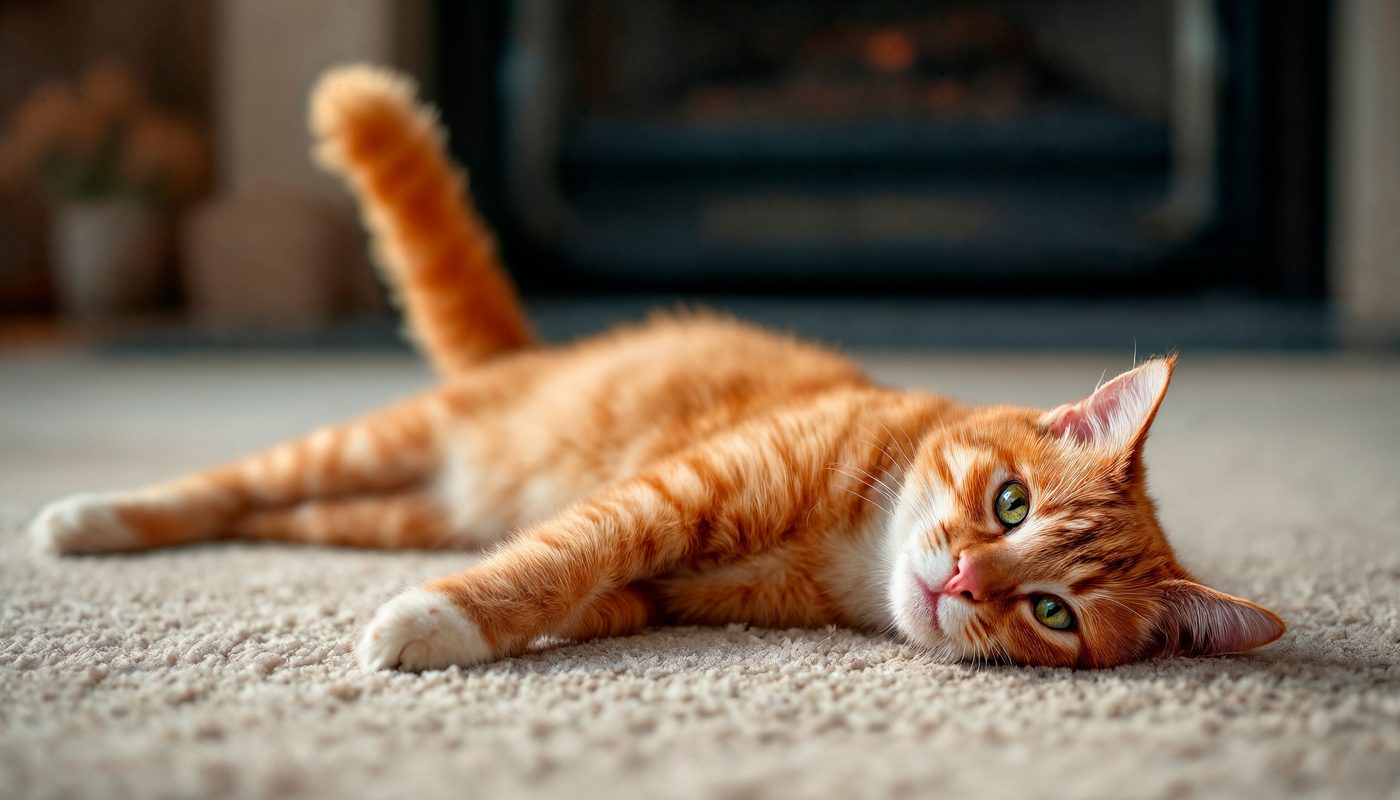
Three reasons cats scratch
- To stretch: digging the claws in and pulling back stretches the whole back, shoulders and legs.
- To care for claws: scratching pulls away the worn outer sheath and keeps the claw sharp underneath.
- To mark territory: glands between the toes leave scent, and the shredded surface is a visible sign too.
That's why a cat that has nowhere suitable to scratch picks the sofa, the carpet or the door frame — the furniture simply ticks every box.
What makes a good scratching post
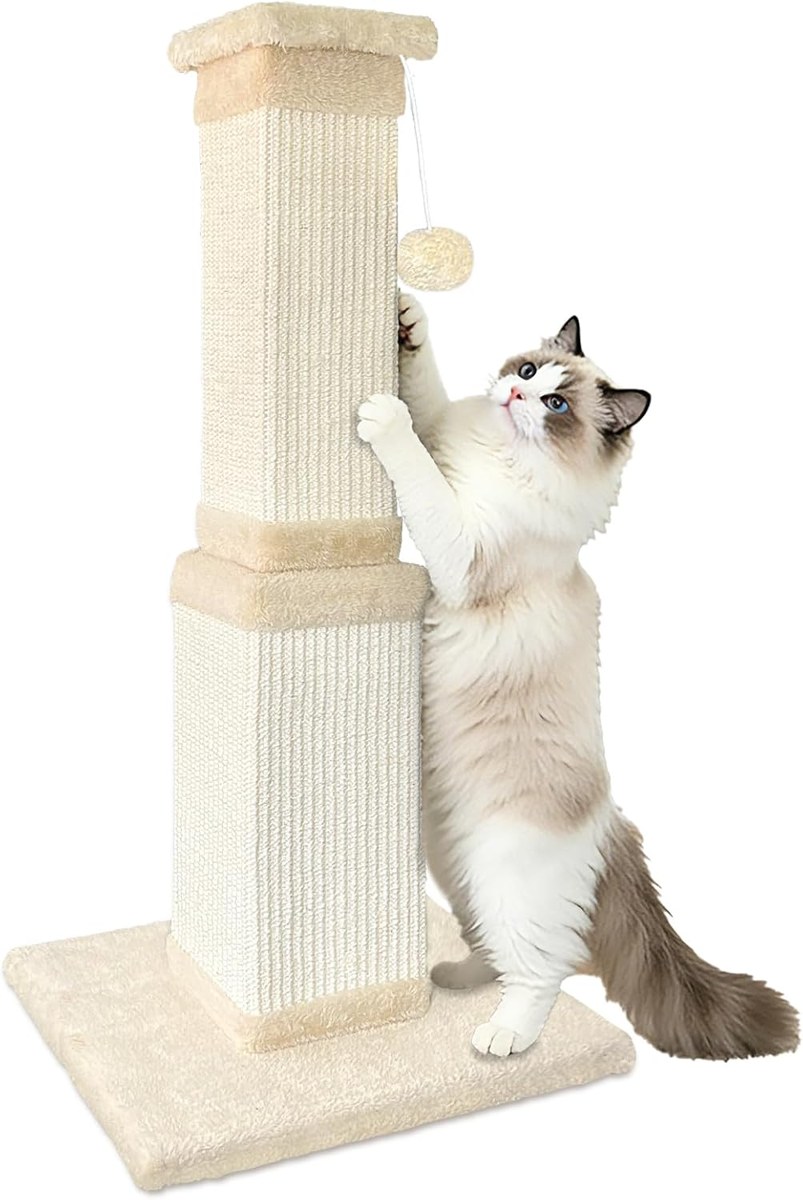
Height comes first. A cat scratching at full stretch reaches surprisingly high, so a post of about 32 inches suits most adult cats; a short post makes them hunch and they lose interest.
Stability comes second. If a post wobbles or tips even once, many cats won't trust it again. Look for a wide, heavy base — the AGYM posts sit on bases of 14 × 15 inches or more.
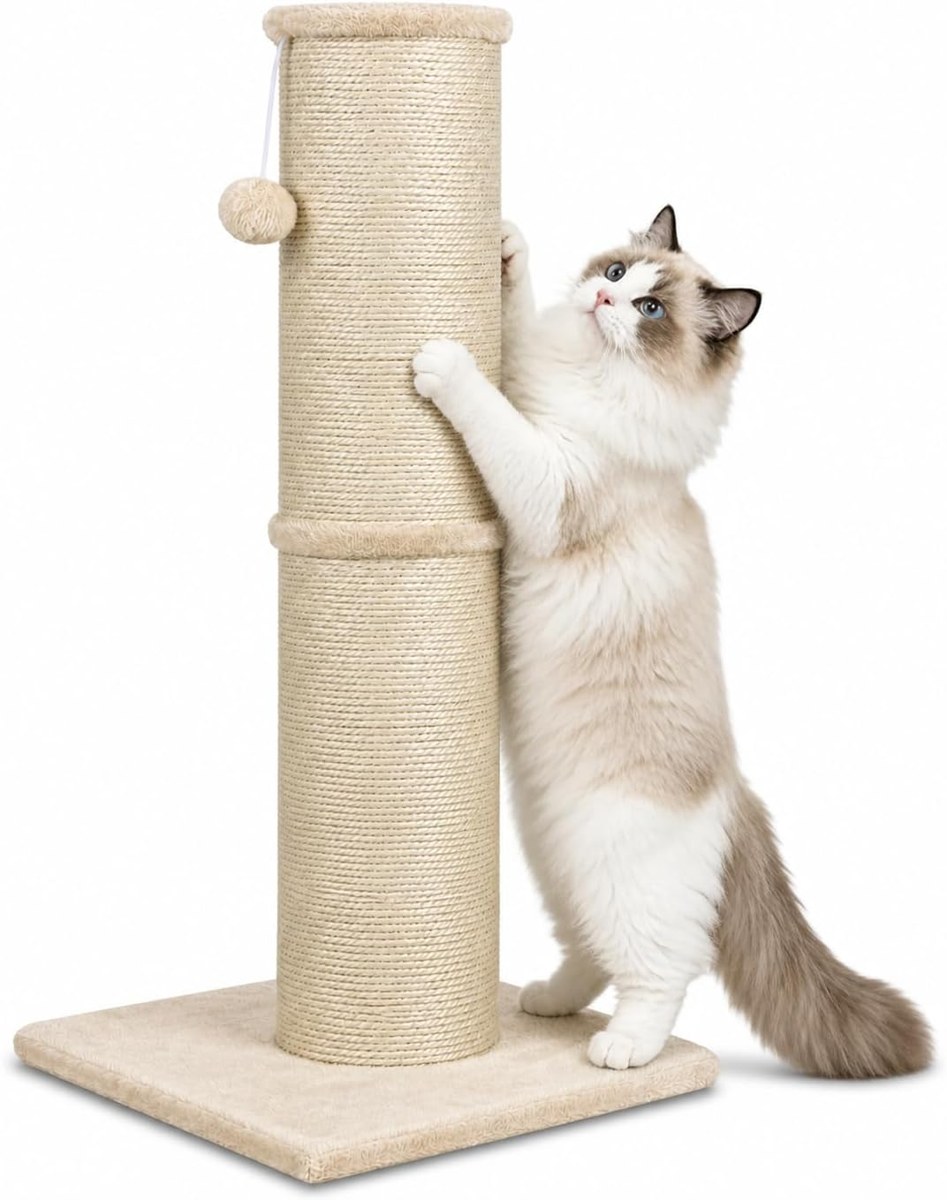
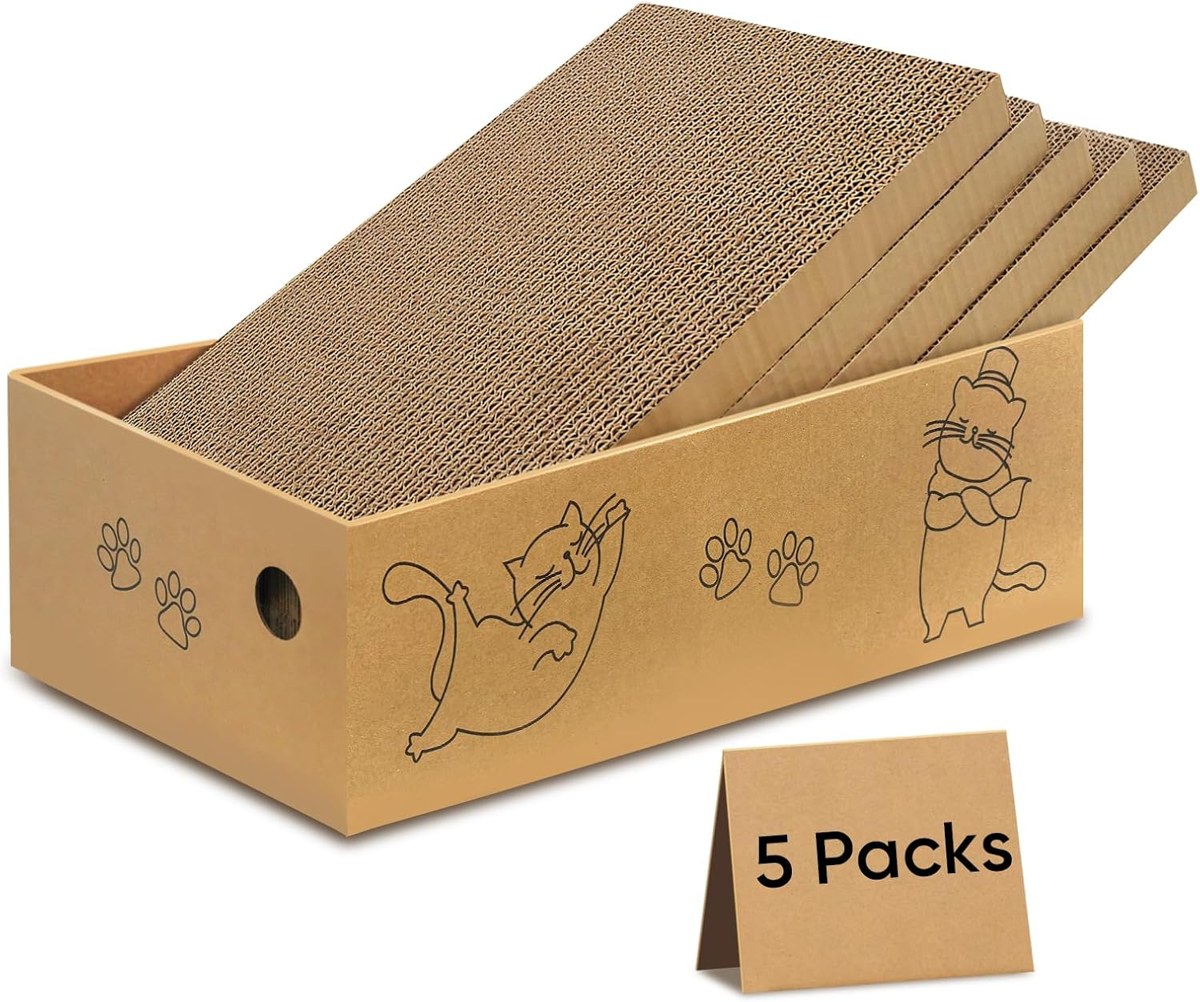
Then the surface. Sisal rope is tough and shreds satisfyingly under the claws; sisal rug is flatter; carpet works but can encourage scratching other carpets; cardboard is soft, cheap and loved by cats that scratch lying down.
Vertical or horizontal scratching?
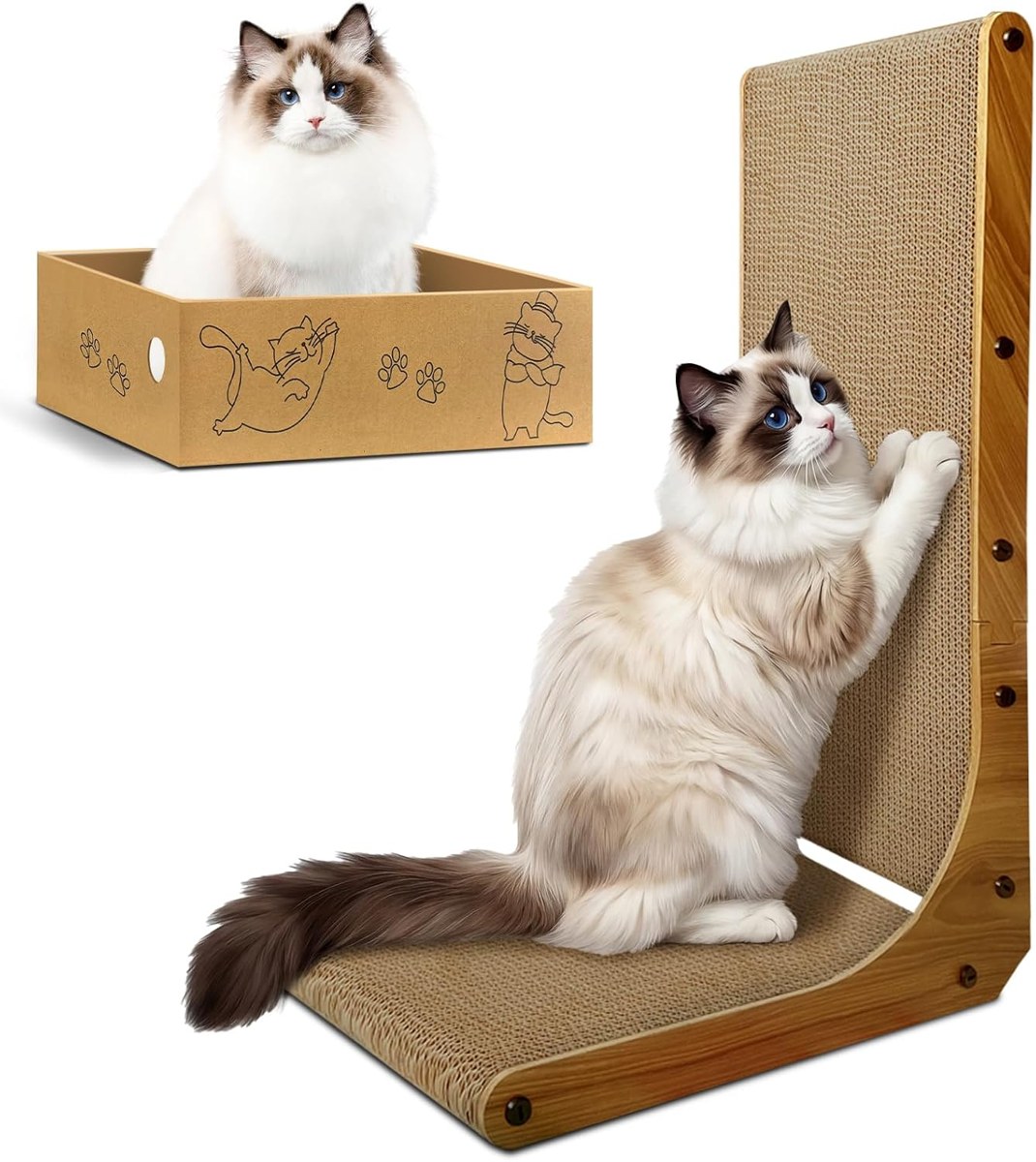
Watch your cat. A cat that reaches up the back of the couch is a vertical scratcher and needs a tall post or a cat tree. A cat that drags its claws along the rug is a horizontal scratcher and will prefer a cardboard pad on the floor. Plenty of cats do both, which is why an L-shaped board or one of each works so well.
Posts, scratchers and cat furniture for climbing
A post is not the only option. A flat cardboard cat scratcher suits the corner of a sofa area or the spot by the door; an L-shaped board leans against a wall and gives two scratching surfaces at a right angle. For cats that love heights, cat climbing furniture adds a vertical route: a wall-mounted tree uses tension mounting, so there's nothing to attach with screws or drill into the wall.
Whatever you choose, pick durable materials — sisal on solid wood rather than loose fabric — and plan for a replacement pad or post every so often. Worn scratchers are a sign they're working.
Large cats and multi-cat homes
Large cats need a thicker post as well as a taller one; a 5.5-inch column lets a big cat hug the post rather than slip around it. In a home with several cats, give each one its own scratching place — cats are territorial about where they mark.
Where to put the post
Put it where the damage happens, beside the furniture your cat already scratches, and near where it sleeps: most cats stretch and scratch right after waking. Once the habit has moved to the post, you can shift it a little at a time.
 2,475 ratings
 Extra thick
 Vertical + flat
 1,856 ratings